
A GPU bottleneck happens when your phone’s graphics chip cannot handle heavy games or apps smoothly. It causes lag, slow frames, and poor visuals. Learn how GPU bottlenecks affect Android performance and how to check or fix them for faster, smoother gaming anytime.
This guide explains everything simply so every reader can check and reduce GPU bottlenecks easily.
What Is a GPU Bottleneck in Android Phones?
A GPU bottleneck in Android phones happens when the graphics processor cannot handle the workload needed for games or apps. This causes lag, frame drops, or stuttering visuals. It means the GPU is slower than the CPU, limiting overall phone performance, especially during high-quality or heavy graphics tasks.
How Does a GPU Bottleneck Affect Phone Performance?
A GPU bottleneck slows down your phone’s gaming and app performance. When the GPU struggles to process visuals, frame rates drop, animations lag, and heat increases. This makes the device less responsive. It’s a sign that the GPU is overloaded compared to the CPU’s speed and power.
Common Signs of GPU Bottleneck in Android Devices
You may notice lag during gameplay, frame drops, overheating, or blurry graphics. Apps take longer to load or run less smoothly. Battery drains faster, and visuals stutter even in simple games. These signs clearly indicate that your Android phone’s GPU is facing a performance bottleneck.
Difference Between GPU and CPU Bottlenecks
A GPU bottleneck limits graphics performance, while a CPU bottleneck slows overall processing speed. The GPU handles visuals, and the CPU manages logic and system tasks. If your phone lags during visuals, it’s a GPU bottleneck; if apps or multitasking slow down, it’s usually a CPU bottleneck.
Why GPU Bottlenecks Happen in Mobile Gaming
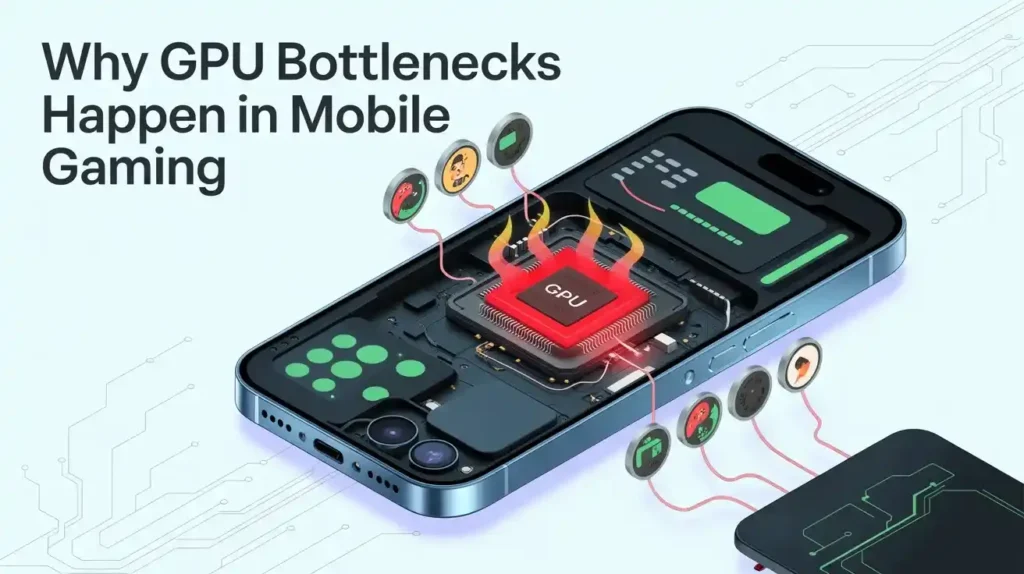
GPU bottlenecks often occur in mobile gaming when high graphics settings, large textures, or detailed effects push the GPU beyond its capacity. Low-end chips or poor optimization in games also cause this issue. The phone then struggles to render smooth visuals or maintain stable frame rates.
How GPU Bottlenecks Impact Frame Rate and Smoothness
A GPU bottleneck directly affects frame rate and visual smoothness. When the GPU can’t keep up with rendering demands, the frame rate drops, causing stuttering or lag. Games feel less responsive, and motion appears choppy. Stable frame rates depend on balanced CPU and GPU performance.
Can a Weak GPU Slow Down Your Android Phone?
Yes, a weak GPU can make your Android phone slower, especially during gaming or graphic-heavy tasks. It struggles to process visuals quickly, leading to lag, heat, and low frame rates. Even daily app animations may feel less smooth if the GPU can’t match your display’s refresh rate.
The Role of GPU in Rendering Graphics and Visuals
The GPU in Android phones handles rendering — turning data into images and animations you see on screen. It processes textures, lighting, and effects in games and apps. A powerful GPU makes visuals smoother and faster, improving gaming, streaming, and overall screen experience for users.
How Game Settings Cause GPU Bottlenecks on Android
High game settings like ultra textures, high resolution, or 120 Hz refresh rates can overload your GPU. When settings exceed what your GPU can handle, the phone lags or overheats. Adjusting graphics quality to medium or balanced levels helps avoid GPU bottlenecks and keeps gameplay smooth.
Tips to Identify GPU Bottlenecks Using Android Tools
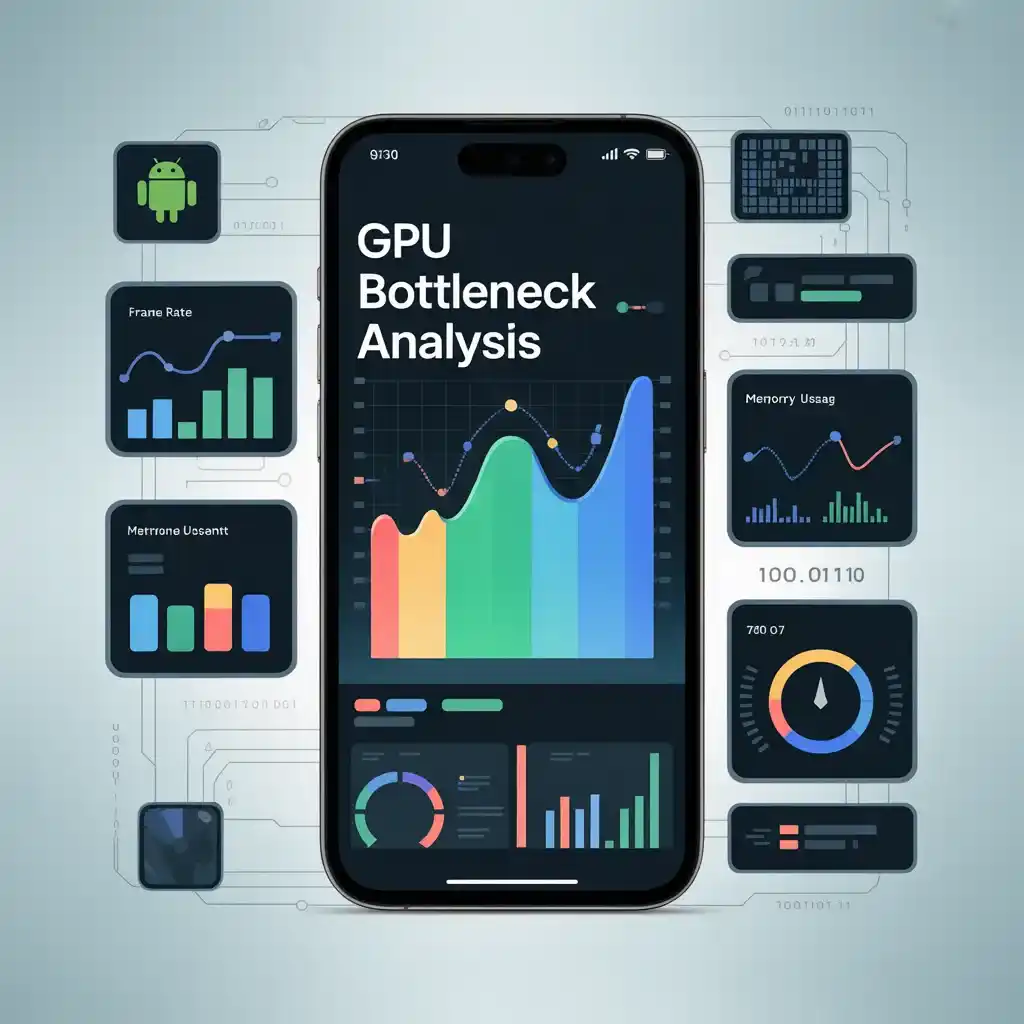
You can use tools like GameBench, GPU Profiler, or Android Developer Options to check GPU load. If GPU usage stays near 100% during gaming, it’s bottlenecking. Monitoring frame rate, temperature, and render time also helps you confirm when the GPU becomes a limiting factor.
How to Reduce GPU Bottleneck for Better Gaming
To reduce GPU bottlenecks, lower in-game graphics settings, close background apps, and keep your phone cool. Regularly update your system and games for optimization. Using performance modes or game boosters can help balance CPU-GPU load and improve overall speed and frame stability during gaming.
Can Software Updates Fix GPU Bottlenecks?
Yes, sometimes software updates can fix GPU bottlenecks. Updates often include performance optimizations, better thermal control, and bug fixes that improve GPU efficiency. However, if your phone’s GPU is outdated or underpowered, software alone cannot remove the bottleneck—it only helps improve stability slightly.
Importance of GPU Efficiency in Modern Android Phones
GPU efficiency determines how smoothly your Android phone handles graphics without wasting battery or creating heat. A more efficient GPU gives high-quality visuals with less power use. It’s especially important for gamers and content creators who need fast, stable, and energy-saving performance every day.
How GPU Bottlenecks Affect Battery Life and Heat
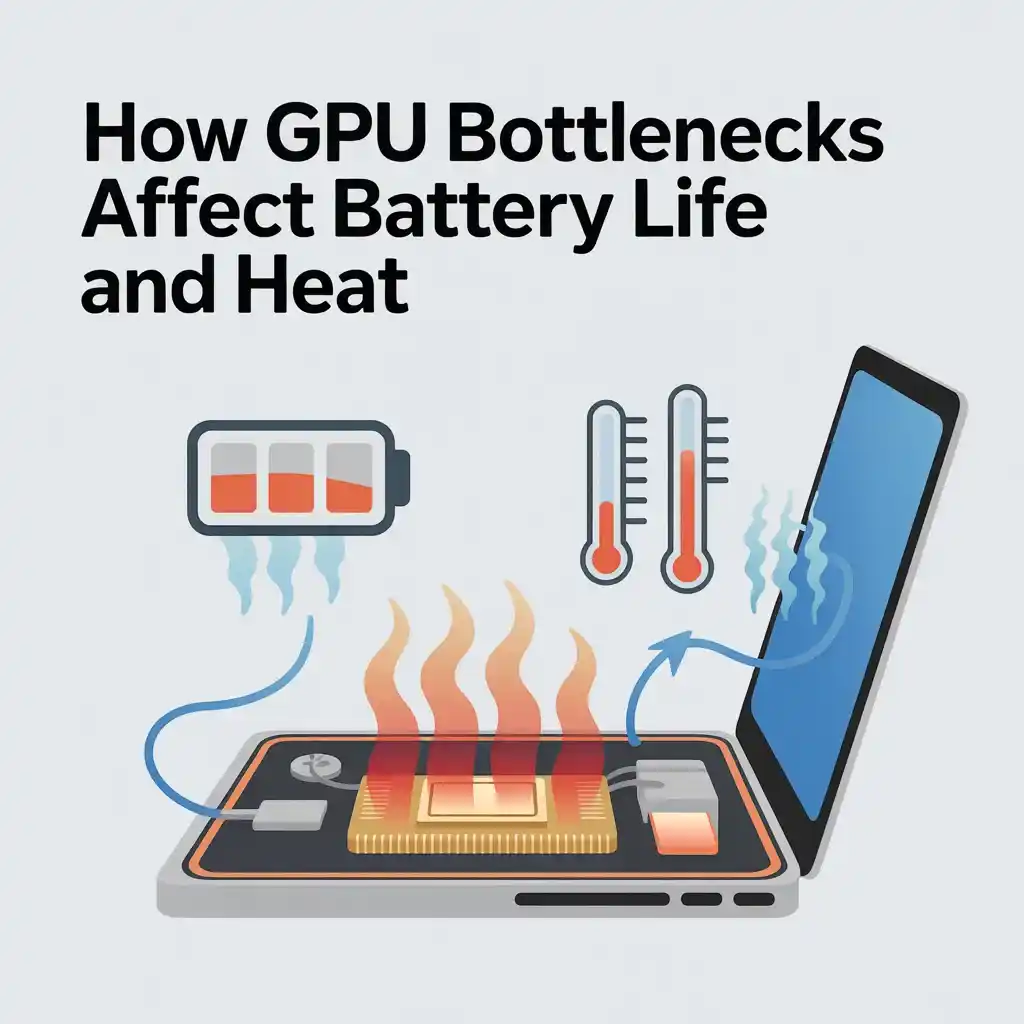
GPU bottlenecks cause higher power usage and more heat because the GPU works harder for longer. This drains your battery quickly and raises device temperature. The phone may throttle performance to cool down, which further reduces speed and smoothness in games or visual-heavy apps.
Best Practices to Maintain GPU Health on Android
Keep your phone cool, update software regularly, and avoid running heavy games on a low battery. Use balanced or performance modes wisely. Don’t block ventilation, and clean cached data often. These practices reduce GPU stress, improve stability, and help maintain long-term device performance.
Do High-Refresh-Rate Screens Increase GPU Load?
Yes, high-refresh-rate screens like 90 Hz or 120 Hz increase GPU load because the device must render more frames per second. This demands extra processing power and battery use. If the GPU is weak, it may cause lag or heating, so using adaptive refresh rates helps balance performance.
How to Balance CPU and GPU Performance in Android
Balancing CPU and GPU performance means ensuring both parts work efficiently together. You can achieve this by keeping apps up to date, using game modes, and avoiding multitasking during gameplay. Balanced performance prevents one component from overworking while the other stays idle, reducing bottlenecks and improving efficiency.
Examples of Phones Affected by GPU Bottlenecks
Phones with older or mid-range GPUs like Adreno 610 or Mali-G52 often face GPU bottlenecks in heavy games. In contrast, high-end chips like Adreno 750 or Apple A17 Pro handle modern graphics easily. Budget phones may lag in demanding games due to limited GPU power and optimization.
Future GPUs Designed to Prevent Bottleneck Issues
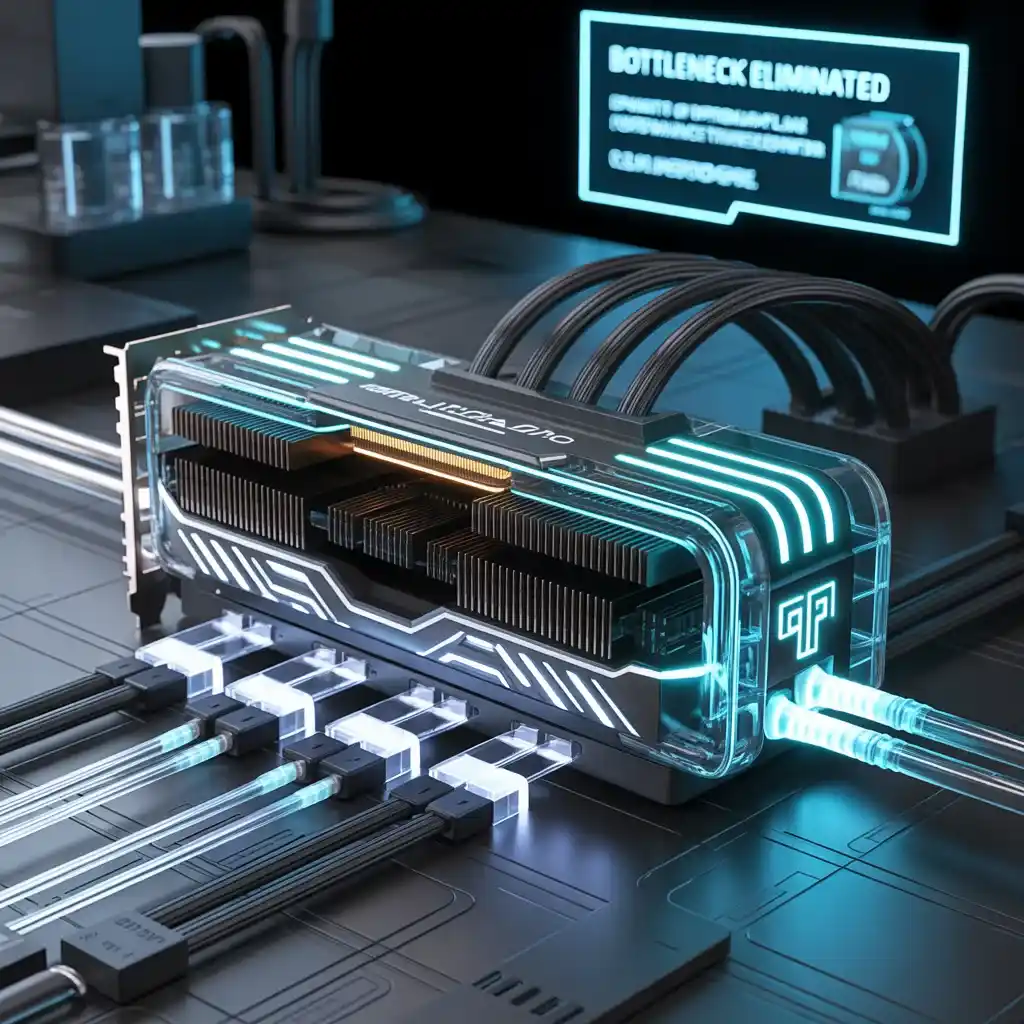
Future GPUs in Android phones will focus on higher clock speeds, AI-assisted rendering, and better thermal efficiency. Brands like Qualcomm and Samsung are improving architecture to prevent bottlenecks. These new GPUs will balance power and performance, allowing smooth visuals even in graphically demanding mobile games.
Avoiding GPU Bottleneck in Android Phones
To avoid GPU bottlenecks, choose phones with strong GPUs, keep graphics settings balanced, and maintain your device well. Regular updates, cooling, and optimization apps help sustain performance. A well-balanced phone offers smoother visuals, longer battery life, and a better overall gaming and multitasking experience.
FAQs’:
1. How Can You Tell If Your Android Phone Is Suffering from a GPU Bottleneck?
You’ll notice lag, frame drops, and stuttering visuals even when RAM and storage are fine — a clear sign your GPU is overloaded.
2. What Are the Best Ways to Optimize Android Performance During a GPU Bottleneck?
Lower game graphics, close background apps, and keep your phone cool to reduce GPU pressure and enjoy smoother gameplay.
3. Is GPU Bottleneck Common in Budget Android Phones?
Yes, budget Android phones often face GPU bottlenecks because their lower-end GPUs can’t handle high-graphic games properly.
4. Can a GPU Bottleneck Damage Your Android Device?
No, a GPU bottleneck doesn’t harm your phone, but it can cause heat and faster battery drain during long gaming sessions.
5. Does Using a Cooling Fan Help Reduce GPU Bottlenecks?
Yes, cooling fans help lower heat and prevent throttling, allowing the GPU to perform smoothly for longer gameplay sessions.
Conclusion:
A GPU bottleneck in Android phones can slow games and reduce visual quality. But you can fix it by lowering graphics settings, avoiding heat, and keeping your phone updated. A well-optimized GPU makes your phone faster, smoother, and ready for high-performance gaming without lag or frame drops.